


Taizhou Hanner Machinery Co., Ltd is a group company with three factories and one trade company, professional in all kinds of water pump, motor, pump accessories, etc. HANNER becomes stronger year by year fully relying on competitive prices, excellent product quality and professional service. "Being credit-worthy and always providing with best service" is main principal for our business operation.
Why Choose Us
Excellent Quality
For each process, we have strict inspection standards, and we always insist that quality is life.
Perfect Service
Perfect after-sales service as an effective value-added service for customers.
Professional Solution
With rich experience and one-to-one service, we can help you choose products and answer technical questions.
Quick Transportation
We cooperate with professional sea shipping, air and logistics companies to provide you with the best transportation solution.

This solar power agriculture pumps is professional for irrigation, with high flow. It's hot selling in African markets.

This DC submersible well pump is with SS impeller, which is more corrosion-resistant and durable. We have 3" , 4" and 6" pump diameter for yr choose.

This solar powered booster pump is with stainless steel pump head. 2 powers for this pump: 600w and 750w. It's very hot selling in Africa, Europe and America markets.

We have 12v, 24v and 48v for this DC solar water pump. This small surface 24V DC solar water pump is widely used for garden and home use. Especially in Africa, European and American markets are very popular.

The solar agriculture water pump with high flow and a strong frame can offer several benefits for agricultural water supply.

The DC solar pool pump is designed to circulate and filter water in a swimming pool using energy derived from the sun. It consists of a pump unit, a controller, and solar panels that capture sunlight and convert it into electrical energy.
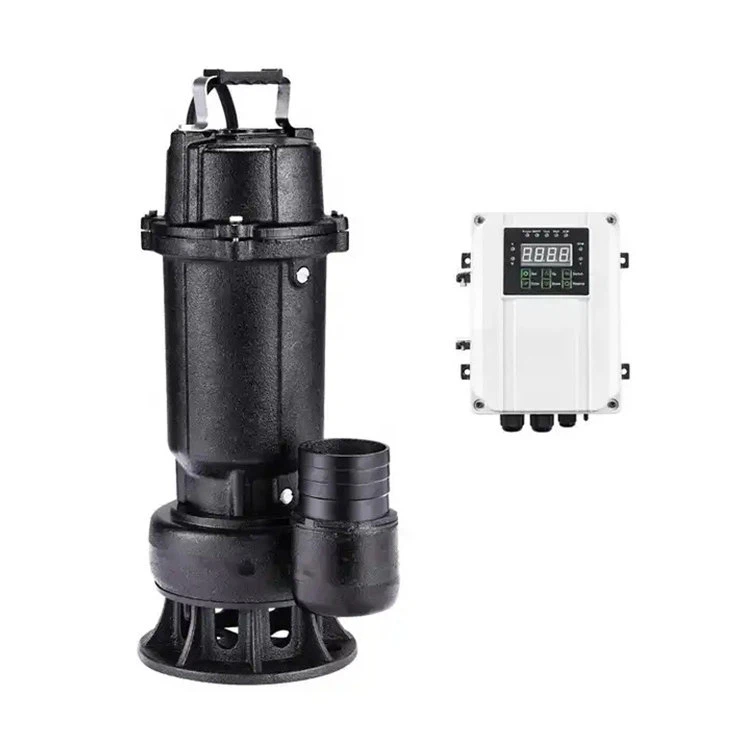
This solar DC submersible pump for dirty water is designed to handle water that contains debris, solids, or other impurities.

The DC solar submersible pump 1hp is a type of pump specifically designed to be powered by solar energy. It is commonly used for water supply in remote areas that do not have access to grid electricity.

The solar powered deep well pump are widely used in agricultural irrigation, household and etc.. applications. We designed many models for this stainless steel deep well pump according to different demands from our clients.
Solar powered booster pump is a device that uses solar energy to increase the pressure of fluid (typically water) in a piping system. They are designed to enhance the pressure of already flowing water, rather than lifting or extracting water from a source. By utilizing the power of the sun, they provide reliable water circulation and flow in various applications while reducing carbon footprints. Their ease of installation and low maintenance requirements make them a practical choice for both residential and commercial settings.
Benefits of Solar Powered Booster Pump
Energy Efficiency
Solar powered booster pumps operate entirely on solar power, harnessing the sun's energy to drive water circulation. With no reliance on conventional electricity, these pumps significantly reduce energy consumption and help lower utility bills. By utilizing renewable energy, they contribute to a greener and more sustainable future while providing efficient water pumping solutions.
Cost-Effective Solution
Owning a solar powered booster pump can lead to substantial cost savings. As they rely on solar energy, there is no need to connect them to the electrical grid or pay for electricity consumption. This makes them an ideal choice for remote locations where access to electricity may be limited or expensive. Additionally, solar powered booster pumps have minimal maintenance requirements, further reducing long-term costs.
Versatile Applications
Solar powered booster pumps can be utilized for various applications, including irrigation, livestock watering, pond aeration, and water circulation in swimming pools or fountains. Their ability to operate in off-grid areas makes them highly suitable for agricultural, rural, and remote settings. Regardless of the location, these pumps provide reliable and continuous water flow with the added benefit of independent operation.
Environmental Friendliness
Solar powered booster pumps are environmentally friendly alternatives to conventional pumps, as they produce zero greenhouse gas emissions during operation. By utilizing the sun's energy, they reduce reliance on fossil fuels and contribute to combating climate change. Additionally, these pumps promote water conservation by efficiently delivering water only when needed, eliminating wastage.
The solar powered booster pump uses solar panels to absorb sunlight and convert it into electrical energy. Then, this electrical energy drives the motor to rotate through the motor controller, which in turn drives the water pump to work. In a water pump, the motor draws water into the pump body by driving the rotation of the impeller. The high-speed rotation of the impeller compresses water molecules under the action of centrifugal force, increasing the pressure of the water, thereby achieving the purpose of supercharging.
In this process, the thermal energy of the sun is converted into mechanical energy, and the mechanical energy is converted into pressure, allowing water to be lifted from low to high. The solar powered booster pump can automatically adjust the power input and water flow as the illumination changes, achieving efficient and continuous water source boosting while making full use of solar energy.
These solar powered booster pumps can pump at the rate 4 to 5 gallon per minute in full sun for about 2000 gallon per day. The maximum head of water = 100 ft (or 43 psi), (a slower rate pump can pump up to 200 ft head (or 86 psi)). The total water volume delivered over a day also depends on the number of sunlight hours, with more powerful pumps and optimal conditions enabling the movement of thousands of gallons daily. Additionally, the height and distance of water delivery (head) affect the pump's capacity.
Choose a solar panel array that is at least 1.3 times the power of the water pump you plan to use to make sure it runs well. Make sure the voltage of the solar panel array matches the voltage requirements of the pump.
Example Simplified:
For a solar powered booster pump with a 750W power requirement and optimal input voltage of 72-144V.
Solar panel power: At least 975W (1.3 times the pump power).
VMP voltage: Greater than 72V.
VOC voltage: Less than 160V.
Solar panels: The solar panels are the most critical component of a solar booster pump as they convert sunlight into electricity. The number and size of the panels required for a solar booster pump depend on the amount of water needed to be pumped and the amount of sunlight available.
Controller: A solar booster pump controller is a device that is used to regulate the operation of a solar-powered water pump. The controller also helps to protect the pump from damage by monitoring the water level and preventing the pump from running dry.
Pump Motor: The electric motor that powers the booster pump.
Booster Pump Unit: The actual pump that increases the water pressure.
Water Pressure Sensor: Monitors the water pressure in the system and sends signals to the pump motor to start or stop depending on demand.
Application of Solar Powered Booster Pump
Serving Families
Solar booster pumps harness the power of the sun to give your home's water pressure a boost, making sure you have a steady and strong flow of water. This green solution is perfect for homes that have low water pressure, giving you better water pressure for showers, washing, and more, without increasing your energy bill.
Furrow or flood irrigation
Solar booster pumps are used in furrow or flood irrigation to increase water pressure and flow, allowing for efficient water distribution across large fields. This ensures crops get the water they need, making the irrigation process both eco-friendly and cost-effective. This is especially true in remote areas where it's hard to get power.
Livestock
Solar booster pumps make sure animals always have enough water by using sunlight to pump water to troughs and tanks, perfect for places that are far away from everything. This green solution helps animals drink enough water and stay healthy without using a lot of power.
Municipal Water Systems
In small towns or rural communities, these pumps help in distributing water over large areas, improving the efficiency of local water systems without relying heavily on conventional electricity sources.
Sizing for a solar booster pump is dependent on your Total Dynamic Head. The Total Dynamic Head calculated from your project will dictate which solar pump is the best fit for you. Total Head will also determine the necessary performance needed from a pump in order to mee your water needs. Every project is different and will have varying factors that affect Total Dynamic Head. There are a few factors required to calculate your Total Head. Pumping head is the maximum height that a pump can move fluid against gravity, and it determines the various head loss that the pump must overcome. To calculate total dynamic head you will need the following: your static water level, drawdown, additional vertical lift, and any frictional losses in the pipe are added together.
Static Water Level: A recent well survey will typically list your Static Water Level. It is the distance from land surface to the water in the well. -Drawdown: When the Static Water Level drops due to pumping, drought, etc., wells producing less that 5 gallons per minute will need to consider drawdown. The less gallons per minute the more potential drawdown you may have. Drawdown is the change in groundwater levels.
Additional Lift: The additional lift is an estimate of the elevation at your well head to the source you will be pumping into. The difference between the two elevations is the additional vertical lift you will add to your Total Dynamic Head.
Frictional Loss: The higher the gallons per minute you have and the narrower the pipe, the more frictional loss will occur. That means more head on the pump and less flow at the outlet. Sizing you pipe up will help decrease the frictional losses.
Factors That Affect the Flow Rate of a Pump
Slope of the land
The texture, shape, roughness, or nature of the land is what determines how water will move from the ground and through the pipe to the land surface. Land slope generally affects the velocity of water flow, high gradient gives rise to high flow, while low gradient reduces the speed of water flow.
For instance, a river flowing down the mountain is usually faster, but water speed reduces drastically when it is flowing through a leveled or flat surface. Thus, the slope of the water channels hugely affects water flow rate.
Climatic conditions
Weather conditions are one of the key factors that influence pump flow rate. In hot weather or moments of high sun rays, much energy is absorbed through the solar panels and used when pumping water.
On the flip side, cloudy days and less sunny days give rise to low flows because of the solar panel's inability to absorb high energy. High-flow pumping is best achieved during sunny days.
The efficiency of the pump
The efficiency of a solar booster pump is used to determine the amount of power a pump requires to produce fluid. Pumps with low efficiency require more energy to pump out enough water. In such scenarios energy is usually lost to heat within the system. High-efficiency pumps use little energy to supply water with its given flow rate and pressure.
The size of the pump
When selecting a solar booster pump for your business, consider choosing a sizable pump, because pump size determines the amount of water a pump can deliver. Unlike small pumps (with small pipes) huge pumps generally convey more fluids.
Trying to pump water using a small hose pipe or pipes with kinks or blockages can create back pressure, and back pressure minimizes the quality of liquids that can make it to the other end of the hose. When pumping water through constricted space more energy is required to force the liquid through the small hole.
Horsepower of the pump
In a solar booster pump, horsepower has to do with the highest number of solar panels that the system can operate with. Most low-flow pumps are supported with so many panels since they require a lot of energy to work efficiently.
So, high horsepower doesn't necessarily mean that their system will pump more water faster. While checking the stated horsepower, also confirm the flow rate value.
The solar photovoltaic level
Photovoltaic systems contribute to the alteration of the solar pump's flow rate. When the number of PV cells is higher, energy absorbed is increased, which means more energy is converted. This will automatically increase the flow rate, implying that there is more energy available for pumping water.
What to Consider When Choosing Solar Powered Booster Pump
Water requirements
The first step in selecting a solar booster pump is to determine the amount of water required to be pumped on an hourly and daily basis. Consider factors such as the desired flow rate and daily water demand. At the same time, it is important to determine which times of the day you have the highest water supply requirements and whether these coincide with sunshine hours. Understanding these requirements will help you choose a solar water pump that can effectively meet your specific needs.
Location of the system
Equally important when choosing a solar booster pump is to know the layout and geometry of the system you are designing. Important parameters to determine before proceeding with a pump search are the submersible pump submersion depth below the water level, the borehole inlet height above the water level, the highest point the piping reaches and the required velocity/pressure at the outlet when pumping water into the tank or connected network.
Available solar energy
The performance of a photovoltaic system is directly influenced by the sun and the location of the installation site. Therefore, it is important to choose a location with sufficient solar radiation throughout the year to ensure optimal operation of the pump. It is also important to know the distances from the PV mounting positions to the pump so that potential electrical losses can be taken into account in the pump selection and so that suitable wiring can be chosen.
Pump performance
Efficiency plays a key role in the overall performance and cost-effectiveness of a solar water pump. Look for pumps with high motor efficiency. Higher efficiency translates into lower energy consumption and reduced operating costs in the long run.
Components and system quality
A reliable solar booster pump requires high quality components. Evaluate the quality and durability of the pump, solar panels and other system components. It is important when selecting PV collectors to consider the DC input voltages and voltages from PV required for the pumps and/or their controllers to operate properly, ensuring high efficiency and long system life.
Budget and cost analysis
Cost is an important factor when choosing a solar booster pump. Evaluate the initial cost of the system, including the pump, solar panels, mounting brackets and installation costs. Also consider the long-term costs, including maintenance, repairs and parts.
Site Assessment
Evaluate the installation site for optimal sunlight exposure. The solar panels should be positioned in a location where they can receive maximum sunlight throughout the day. Ensure the site is free from obstructions like trees or buildings that might cast shadows on the solar panels.
Safety Precautions
Always turn off the electricity supply before starting the installation. Use insulated tools and wear appropriate safety gear, including gloves and safety goggles.
Solar Panel Mounting
Ensure the mounting structure is sturdy and can withstand environmental conditions, especially in regions prone to high winds or heavy snowfall. Angle the panels appropriately based on your geographical location to capture maximum sunlight.
Pump Selection
Choose a pump that matches the requirements of the application. Consider factors like flow rate, head height, and the size of the system. Ensure the pump is compatible with the solar inverter you're using.
Electrical Connections
Ensure all electrical connections are secure and properly insulated. Use appropriate wire sizes to minimize voltage drop and maximize efficiency. Install a suitable protection system, such as fuses or circuit breakers, to safeguard against electrical faults.
System Testing
Once the installation is complete, test the system to ensure it's working efficiently. Monitor the pump's performance and adjust the solar panel angle if necessary to optimize energy capture.
Maintenance
Regularly clean the solar panels to remove dust, bird droppings, or other debris that might reduce their efficiency. Check the pump and other system components periodically for signs of wear or damage.
FAQ
Hot Tags: solar powered booster pump, China solar powered booster pump manufacturers, suppliers, factory, 24v DC Solar Water Pump, Solar Power Agriculture Pumps, DC Solar Pool Pump, dc water well pump, Solar Pump, dc well pumps


