

Bathroom Pump
A bathroom pump is a mechanical device used to enhance water pressure in domestic plumbing systems, particularly in bathroom fixtures like showers, bathtubs, and sinks. These pumps are essential when the natural water pressure supplied by the municipal water service or a well system is inadequate to meet the demands of modern bathroom fixtures, which are designed to operate at higher pressures for a satisfying user experience.
Advantages of Bathroom Pump
Improved Performance
One of the biggest benefits of installing a Bathroom Pump is that it provides increased pressure without having to replace all of your existing plumbing. The improved performance of Bathroom Pump is due to their ability to increase water pressure by capturing and reusing the kinetic energy from outgoing flows of water.
Quiet Operation
These shower pumps boast a quieter operation than regular pumps thanks to their internal design. Since they use two counter-rotating impellers, they don't require additional equipment to generate power. This results in less noise and vibration – making them ideal for households with young children or people who prefer a quieter environment while showering.
Increase Property Value
Another benefit of Bathroom Pump is that they can help to increase property value. If you are thinking about selling your home, a regenerative pump can be a valuable selling point. This is because potential buyers may see the pump as an upgrade that will save them money on their utility bills.
Longer lasting showers
In addition to improving water pressure, Bathroom Pump can also help to prolong the life of your showers. By recycling water, Bathroom Pump can help to prevent mineral build-up in your pipes, which can clog them and shorten the life of your showers.


why choose us
Our Products
Our products are all strictly controlled at every step during designing, producing, packing and quality controlling process. We will keep optimizing our products and expanding the scope of product category.
Quick Transportation
We cooperate with professional sea shipping, air and logistics companies to provide you with the best transportation solution.
Cheap Price
We have a professional purchasing team and costing team, trying to reduce costs and profits, and provide you with a good price.
One-stop Solution
With rich experience and one-to-one service, we can help you choose products and answer technical questions.
Submersible Pump
This type of pump is designed to be completely submerged in water. It is typically used in bathrooms where the pump needs to be placed in a basin, shower, or bathtub to remove excess water. Submersible pumps are compact and easy to install, making them a popular choice for DIYers. However, they must be regularly cleaned and maintained to prevent clogging.
Pedestal Pump
A pedestal pump has a motor that sits above the water level, with the pump itself suspended below. This design keeps the motor dry, extending its lifespan. Pedestal pumps are often used in bathrooms where the pump needs to be elevated, such as in a utility room or basement. They require more installation work than submersible pumps but provide better drainage capabilities.
Inline Pump
Inline pumps are installed directly into the drainage pipe, replacing a section of the pipe. They are compact and suitable for use in tight spaces. Inline pumps are ideal for gravity-fed systems where the pump needs to be integrated into the existing piping. However, they may have limited flow rates and head capacities compared to other types of pumps.
Self-Priming Pump
A self-priming pump can operate even if it starts dry, meaning it doesn't need to be submerged or primed before use. This makes it a convenient choice for bathrooms where the pump may be exposed to air for periods of time. However, self-priming pumps may be louder and less energy-efficient than other types of pumps.
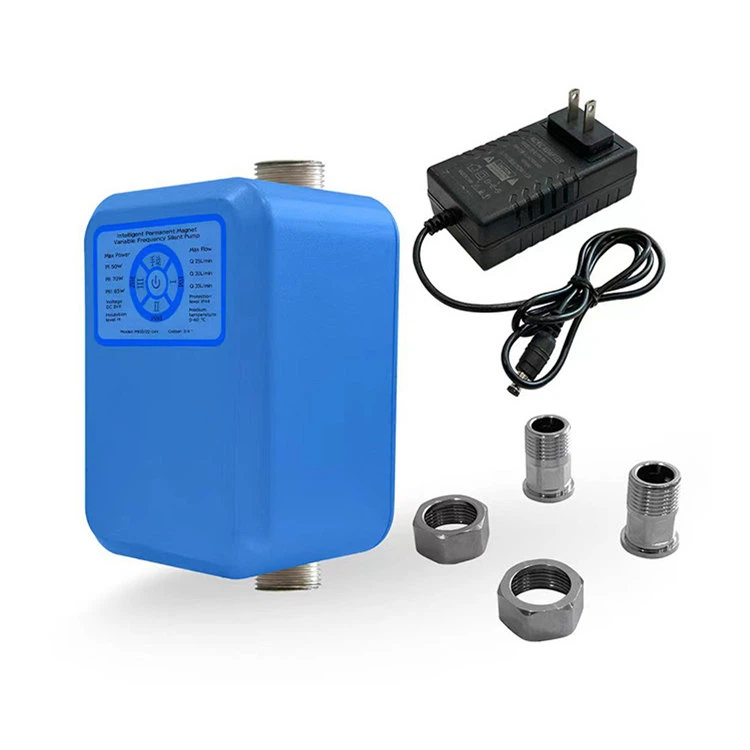
Stainless steel is highly durable and resistant to rust and corrosion, making it an ideal material for the construction of pump casings, impellers, and other internal components. It is especially suitable for pumps that come into contact with hard water or are used in environments where there is a high risk of corrosion.Cast iron pumps are known for their strength and ability to withstand high pressures. However, they are heavier than pumps made from other materials and can be prone to rust if not properly maintained. Cast iron is often used for larger, whole-house pumps that are installed in basements or other areas where weight is not a major concern.
Bronze pumps are similar to stainless steel in terms of durability and corrosion resistance but are often used in specialized applications where a higher degree of chemical resistance is required. Bronze is also less likely to cause galvanic corrosion when used in conjunction with other metals.Plastic pumps are lightweight and cost-effective, making them a popular choice for in-line pumps and smaller applications. They are resistant to corrosion and chemicals, but may not be as durable as metal pumps and can be susceptible to damage from high temperatures or UV exposure.
Rubber is often used for seals and gaskets in bathroom pumps. It provides excellent flexibility and is resistant to wear and tear, ensuring a tight seal that prevents leaks and protects against contamination.Aluminum is lightweight and has good corrosion resistance, making it a suitable material for some pump components. However, it is not as strong as stainless steel and can be damaged by high temperatures or certain chemicals.
Low Water Pressure Areas
Many homes, especially those located in remote areas or older buildings, suffer from low water pressure. This can make everyday tasks like taking a shower or washing dishes frustrating and time-consuming. Bathroom pumps are designed to boost water pressure, overcoming any natural limitations and ensuring a consistent and enjoyable user experience.
Multi-Level Homes
In multi-story homes, the water pressure at the top floor may be significantly lower than at ground level due to gravity and the length of the piping. Bathroom pumps can be installed at strategic locations to maintain adequate pressure throughout the house, ensuring that all fixtures receive an equal amount of water flow.
Tankless Water Heaters
Tankless water heaters provide instantaneous hot water on demand, eliminating the need for large storage tanks. However, they can sometimes struggle to produce sufficient hot water flow under high demand. Bathroom pumps can be used in conjunction with tankless water heaters to increase the flow rate, ensuring a steady supply of hot water even during peak usage times.
Graywater Recycling Systems
Graywater recycling involves treating and reusing wastewater from sinks, showers, and washing machines for non-potable purposes such as irrigation or flushing toilets. Bathroom pumps can be integrated into graywater recycling systems to ensure that the treated water is delivered to its intended destination with adequate pressure and flow.
Solar Water Heating Systems
Solar water heaters harness the sun's energy to heat water, providing an environmentally friendly alternative to traditional heating methods. However, solar water heaters may require additional support to ensure consistent water flow, especially during periods of low sunlight or high demand. Bathroom pumps can be used to boost the flow rate of solar-heated water, ensuring that it reaches fixtures quickly and efficiently.
The heart of the bathroom pump lies in its motor, which serves as the primary power source. Typically, this motor is electrically driven and converts electrical energy into mechanical energy. When activated, the motor spins at high speeds, transferring this rotational energy to a connected impeller through a shaft.The impeller, a crucial component shaped like a rotating disk with vanes or blades, plays a pivotal role in the pump's function. As it spins rapidly within the pump's housing, the impeller creates a centrifugal force that draws water into the center of the chamber. The water then follows the path of least resistance, moving outward along the vanes and gaining kinetic energy in the process.
This outward movement of water increases its velocity and pressure. As the water exits the pump's chamber, it enters the discharge pipe, carrying with it the elevated pressure. This high-pressure water is then distributed throughout the bathroom's plumbing system, reaching fixtures such as showers, taps, and toilets.To ensure optimal performance, many bathroom pumps are equipped with pressure sensors or switches. These devices continuously monitor the water pressure in the system and activate or deactivate the pump based on predetermined thresholds. For example, if the pressure drops below a certain level, the switch triggers the pump to start, boosting the water pressure until it reaches the desired level. Conversely, when the pressure exceeds the upper threshold, the switch turns off the pump, preventing unnecessary wear and energy consumption.
The installation location of a bathroom pump is also critical to its effectiveness. Ideally, it should be placed as close as possible to the area of lowest pressure or furthest from the water source. This minimizes the length of the pipe run and reduces energy losses due to friction and resistance. In some cases, multiple pumps may be required to adequately address the water pressure issues in larger homes or complex plumbing systems.Regular maintenance is vital to ensure the longevity and reliability of a bathroom pump. This includes checking for signs of wear and tear, such as leaks or damaged components, and performing routine cleanings to remove debris that could obstruct the impeller's movement. By following these maintenance practices, homeowners can enjoy the benefits of enhanced water pressure while minimizing the risk of costly repairs or replacements.

Motor
The motor is the heart of the pump, converting electrical energy into mechanical energy. It drives the impeller, which in turn creates the necessary pressure to move water through the system. Motors can be powered by AC or DC electricity and are available in various sizes and power ratings depending on the pump's application.
Impeller
The impeller is a rotating component that moves water through the pump. It is typically made of a durable material such as stainless steel or cast iron and is designed to withstand the harsh conditions of water flow. The impeller's shape and size determine the pump's flow rate and pressure output.
Pump Housing
The pump housing encases the impeller and motor, protecting them from external elements and ensuring safe operation. It is usually made of a strong, corrosion-resistant material such as cast iron or stainless steel. The housing also contains inlets and outlets for water flow and is designed to minimize turbulence and maximize efficiency.
Shaft and Bearings
The shaft connects the impeller to the motor and transmits the motor's rotational motion to the impeller. Bearings support the shaft and reduce friction, allowing the impeller to spin smoothly and efficiently. High-quality bearings are critical to the pump's longevity and performance.
Seals and Gaskets
Seals and gaskets prevent water from leaking into the pump's electrical components, ensuring safety and preventing damage. They are typically made of rubber or another flexible material that can withstand the constant movement and pressure of water flow.
Control System
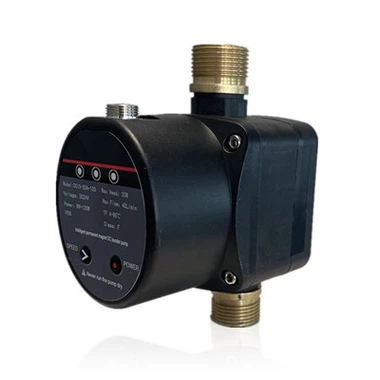
Many modern bathroom pumps are equipped with advanced control systems that allow users to adjust the pump's settings according to their needs. These controls may include pressure switches, variable speed drives, or digital interfaces that enable precise regulation of the pump's operation.
Valves and Checks
Valves and checks are used to regulate water flow and prevent backflow within the plumbing system. They ensure that water flows in the correct direction and at the desired pressure, protecting the pump and other fixtures from damage.
Regular inspection of the pump is crucial to identify any potential problems early on. Look for signs of wear and tear, leaks, or unusual noises. If you notice any issues, address them promptly to avoid further damage.Keep the pump clean and free from debris. Dirt and grime can build up over time and cause the pump to work less efficiently. Regular cleaning will help to keep the pump running smoothly and prevent clogs.
Over time, parts such as seals, gaskets, and bearings may wear out. Replacing these parts when necessary is essential to prevent leaks and ensure the pump's continued operation.Some pumps require lubrication to ensure smooth operation. Follow the manufacturer's guidelines for applying lubricant to the appropriate components. Proper lubrication will help to reduce friction and wear on the pump's moving parts.
Ensure that all electrical connections are secure and free from corrosion. Loose or damaged connections can cause electrical faults and pose a safety hazard. Regularly check and tighten connections as needed.Periodically test the pump to ensure it is functioning correctly. Turn it on and off several times to check for any unusual noises or behavior. Also, check the water pressure and flow rate to ensure the pump is performing as expected.
Always follow the manufacturer's guidelines for maintenance and operation. Different types of pumps may have specific requirements for maintenance and care. By following the manufacturer's recommendations, you can ensure that your pump operates safely and efficiently.If you are unsure about how to maintain your bathroom pump or if you notice any serious issues, it is best to hire a professional plumber or technician. They have the expertise and tools necessary to properly maintain and repair your pump.
What Factors Should Be Considered When Choosing a Bathroom Pump
Flow Rate
Flow rate, measured in liters per minute (LPM), indicates how much water the pump can move in a given time. Consider the flow rate required to handle the maximum amount of water your bathroom will generate during peak usage hours. Choose a pump with a flow rate that exceeds your needs to ensure smooth drainage.
Total Dynamic Head (TDH)
TDH represents the total vertical lift and pressure loss the pump can handle. It's crucial to select a pump with a TDH that exceeds the combined vertical lift and pressure loss in your bathroom's drainage system. Failing to do so may result in poor drainage or pump failure.
Noise Level
Bathroom pumps can generate varying levels of noise, depending on their design and quality. Consider selecting a pump with a low noise rating to maintain a quiet and peaceful environment in your bathroom. Noise levels are often measured in decibels (dB) and lower values indicate quieter pumps.
Energy Efficiency
Bathroom pumps consume electricity, so it's important to choose an energy-efficient model. Look for pumps that have been rated for their energy performance, such as those with an Energy Star rating. This will help reduce your energy bills and contribute to environmental sustainability.
Maintenance Requirements
Bathroom pumps require regular maintenance to keep them running efficiently. Consider the ease of access and availability of parts and service for the pump you select. Some pumps may require more frequent cleaning and lubrication than others, so choose a model that fits your willingness and ability to maintain it.
Compatibility and Integration
Ensure that the pump you choose is compatible with your bathroom's existing drainage system. Consider the pump's dimensions, connections, and any required modifications to the drainage piping. It may be necessary to consult with a professional plumber or drainage expert to ensure proper integration.
Understand the Pump
Before priming, it's crucial to understand the type of pump you have. Some pumps are self-priming, while others require manual priming. Self-priming pumps have a built-in mechanism that allows them to draw water into the system without the need for manual intervention. Manual pumps, on the other hand, require you to add water to the system before they can operate.
Locate the Primer Plug or Port
Most manual pumps have a primer plug or port that allows you to add water directly to the pump's impeller. This port is usually located on the side or bottom of the pump.
Add Water to the Primer Port
Using a funnel or a container with a spout, pour water into the primer port until it reaches the top of the impeller. Be careful not to overfill the port, as this may cause water to leak out of the pump.
Replace the Primer Plug
Once the pump is filled with water, replace the primer plug and secure it tightly. Make sure there are no leaks around the plug.
Check for Leaks
After replacing the primer plug, check the pump for any leaks. If you notice any water seeping from the joints or seams, tighten the connections or apply sealant to prevent leaks.
Start the Pump
With the pump primed and ready to go, start it up and observe its performance. The pump should begin drawing water into the system and delivering it to the fixtures. If you notice any unusual noises or behavior, shut off the pump immediately and check for any blockages or issues with the impeller.
Monitor the Pump
After starting the pump, monitor its performance closely for the first few minutes. Check the water pressure and flow rate to ensure that the pump is operating efficiently. If you notice any issues, shut off the pump and consult the manufacturer's manual or a professional plumber for assistance.
How to Choose the Right Bathroom Pump
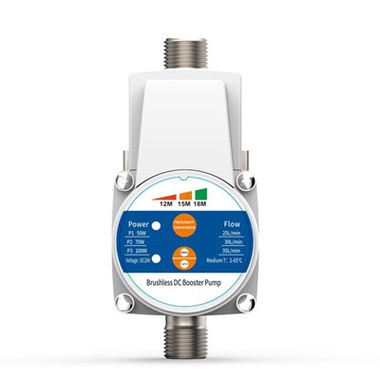
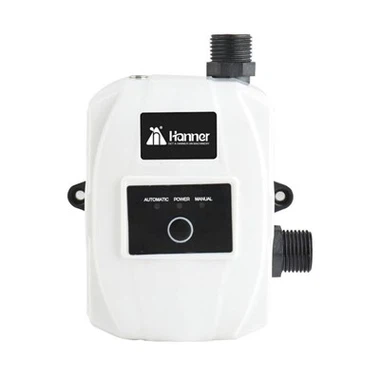
Determine Your Needs
Before purchasing a bathroom pump, assess your specific needs. Consider the size of your bathroom, the number of fixtures, and the current water pressure. This will help you determine the type and size of pump that is most suitable for your requirements.
Understand Different Types of Pumps
There are several types of bathroom pumps available, each designed for different purposes. For instance, shallow well pumps are ideal for homes with a water table close to the surface, while deep well pumps are suitable for homes with a deeper water table. Submersible pumps, on the other hand, are installed directly in the water source, making them more efficient than jet pumps.
Consider the Flow Rate
The flow rate of a pump refers to the amount of water it can deliver per minute. A higher flow rate indicates that the pump can handle more fixtures and provide a steady stream of water. Choose a pump with a flow rate that matches the needs of your bathroom.
Check the Lift Capacity
The lift capacity of a pump refers to the maximum height it can raise water from the source to the delivery point. Ensure that the lift capacity of the pump is sufficient to meet the needs of your bathroom, taking into account the distance between the water source and the highest fixture.
Look for Energy Efficiency
When choosing a bathroom pump, consider its energy efficiency. An energy-efficient pump will consume less electricity, reducing your utility bills and minimizing environmental impact. Look for models with high energy efficiency ratings or those that use renewable energy sources such as solar power.
Consider the Quality and Durability
Invest in a high-quality, durable pump that will last for years. Look for pumps made from corrosion-resistant materials such as stainless steel or brass. Additionally, consider the warranty and after-sales service offered by the manufacturer.
Read Reviews and Recommendations
Before making a purchase, read reviews and recommendations from other customers who have used the same pump. This will give you an idea of the pump's performance and reliability. You can also consult with a professional plumber or technician for recommendations based on their experience.
Our Factory
Taizhou Hanner Machinery Co., Ltd is a group company with three factories and one trade company, professional in all kinds of water pump, motor, pump accessories, etc. HANNER becomes stronger year by year fully relying on competitive prices, excellent product quality and professional service.


FAQ
Taizhou Hanner Machinery Co., Ltd. is one of the leading bathroom pump manufacturers and suppliers in China. We warmly welcome you to wholesale hot selling bathroom pump from our factory. All customized products are with high quality and competitive price.
Automatic Shower Booster Pump, Smart Pump, booster pumps for hot water